So what happens when your medication has lost 20%, 40%, or even 60% of its potency
[DOI] [PMC free article] [PubMed] [Google Scholar] 152.Korbut A.I., Taskaeva I.S., Bgatova N.P., Muraleva N.A., Orlov N.B., Dashkin M.V., Khotskina A.S., Zavyalov E.L., Konenkov V.I., Klein T., et al
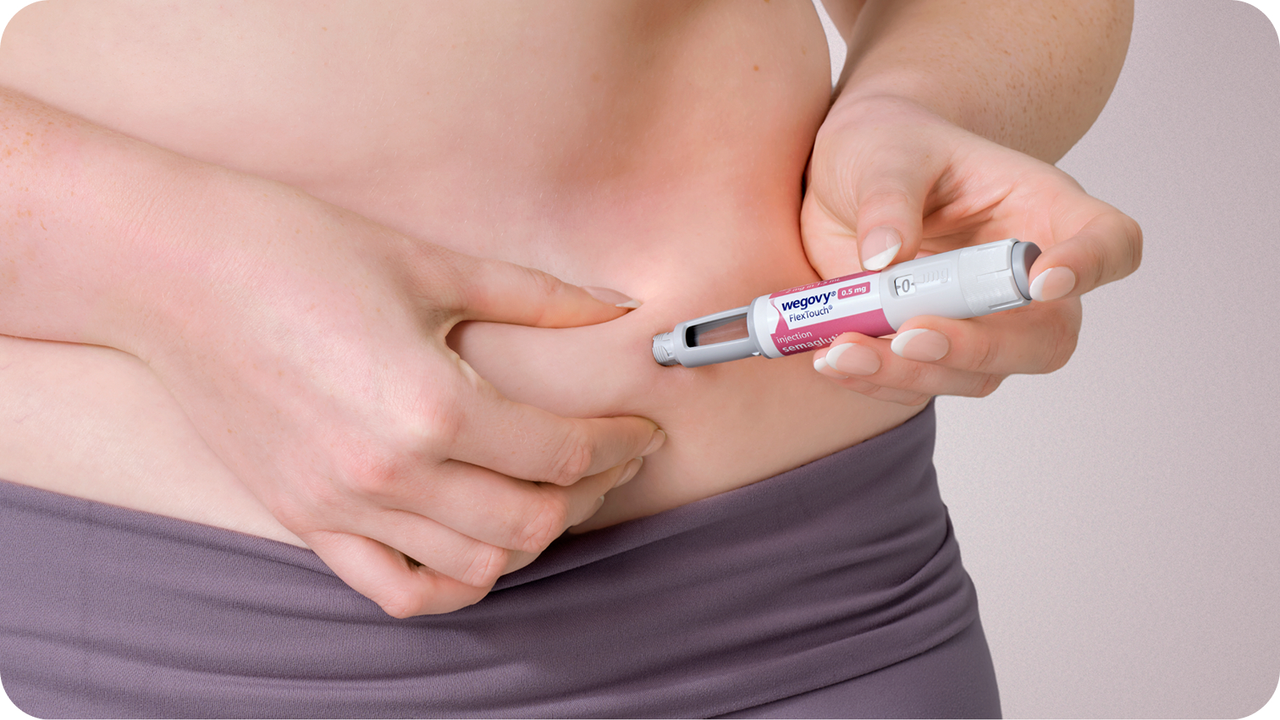
On one hand, these therapies are helping to destigmatize obesity by emphasizing its biological underpinnings and offering an effective, evidence-based medical intervention.[172] On the other hand, their growing use for cosmetic or lifestyle purposes, particularly among public figures and celebrities, risks reframing obesity drugs as luxury wellness products rather than critical clinical tools for managing chronic disease.[173] This blurring of clinical necessity and aesthetic demand may undermine public understanding of the serious health risks associated with obesity and detract from the therapeutic value GLP-1s offer to medically at-risk populations.[174] It is therefore critical that public and policy discourse clearly center these medications within the context of metabolic and chronic disease management
A change to stand out In January, when the American Academy of Ophthalmology released its warning against cosmetic eye color change procedures, Dr










![LOUIS VUITTON N41487 Normandy Tote Bag Damier canvas Ladies [Used] white](https://cdn.shopify.com/s/files/1/0865/8203/4729/files/75914132-1_wm.jpg?v=1775699579)
