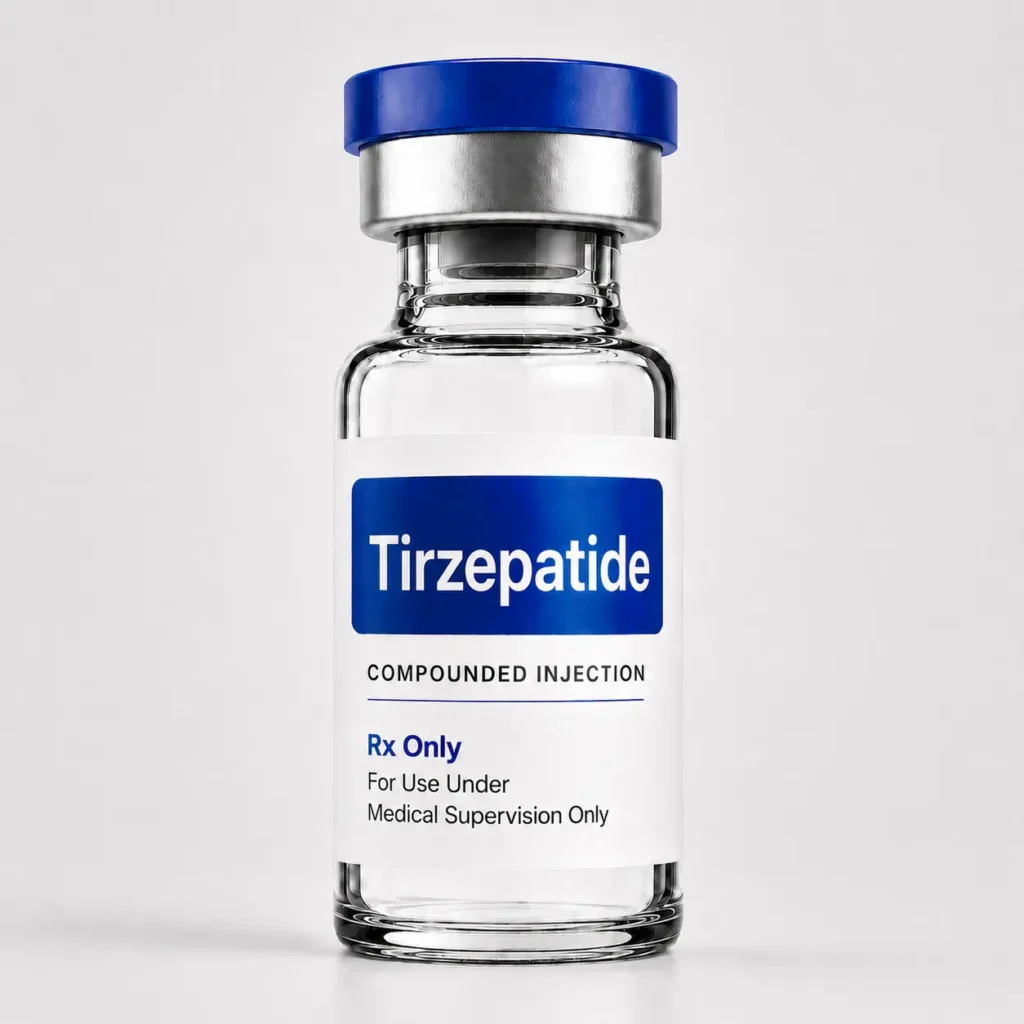
Assessment: melanocyte activity in vitro, in vivo melanogenesis in several model organisms (Xenopus frog, lizard, mouse)
While these are certainly great effects on the body, it is far from a miracle injection
A structured note can make appointments more productive
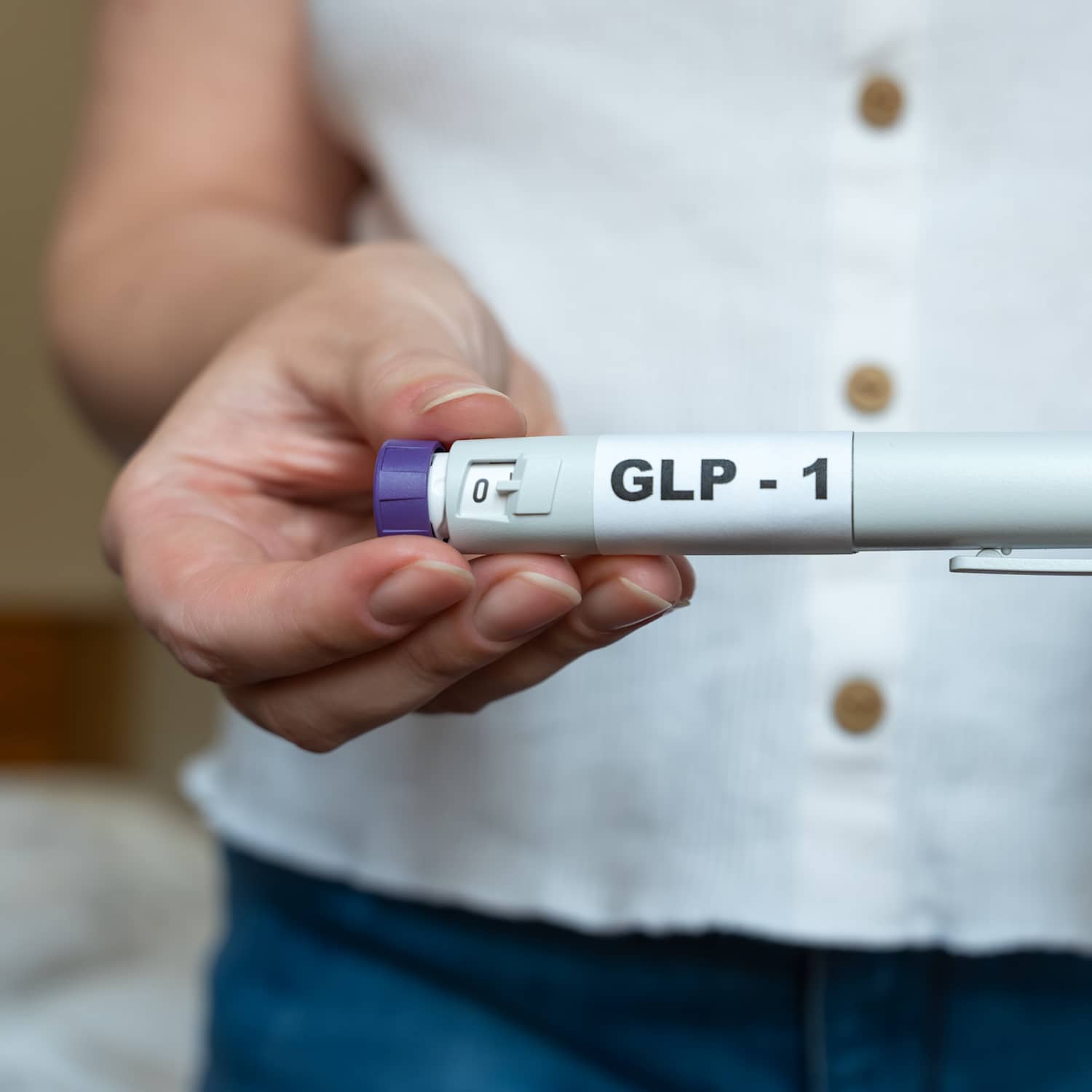
Contact your GP or prescribing clinician if: You experience persistent, severe hunger despite reaching the maintenance dose of 2.4mg weekly for at least 812 weeks You have severe, persistent abdominal pain (with or without vomiting), especially if radiating to the back (possible pancreatitis) seek urgent medical care You develop right upper quadrant pain, fever, or yellowing of the skin/eyes (possible gallbladder disease) seek urgent medical care Hunger is accompanied by other concerning symptoms such as excessive thirst, frequent urination, unexplained weight gain, or fatigue (which may indicate inadequate diabetes control or other metabolic issues) You have gained weight or stopped losing weight despite adherence to dietary and lifestyle recommendations You experience symptoms of hypoglycaemia (low blood sugar), particularly if you have type 2 diabetes or take insulin or sulfonylureas (these medications may need dose adjustment) You experience severe gastrointestinal symptoms (persistent nausea, vomiting, or abdominal pain) that prevent adequate nutritional intake You suspect medication interactions with other prescribed treatments Psychological factors such as depression, anxiety, or disordered eating patterns are significantly impacting your relationship with food Your healthcare provider can assess whether dose adjustment is appropriate, review your overall treatment plan, and investigate potential underlying causes

:max_bytes(150000):strip_icc()/Health-GettyImages-2236560849-a1934f1e4c004a19835cb508d021388b.jpg)