D., Smith, A., Holzer, A., Klein, A., McCaddon, A., Molloy, A

What Lab Testing May Reveal Electrolyte changes associated with vomiting, diarrhea, or inadequate intake Changes in creatinine, estimated glomerular filtration rate, or BUN that may accompany dehydration or kidney stress Liver-enzyme or bilirubin patterns that warrant further evaluation Anemia or other blood-count changes Glucose and A1C trends Cholesterol and triglyceride changes Low iron stores or selected vitamin deficiencies Cardiometabolic and inflammatory patterns Evidence of a specific heavy-metal exposure when the correct test is selected What Lab Testing Cannot Reveal Routine lab testing cannot: Diagnose a generalized toxin release or detox reaction Show how much of a persistent organic pollutant was released from fat Prove that headaches, fatigue, or brain fog were caused by an environmental chemical Measure hydration or nutritional status perfectly from one result Directly measure muscle loss Rule out gallstones or pancreatitis solely because routine blood results are normal Replace a physical examination, imaging, or medication assessment A Comprehensive Metabolic Panel (CMP), Complete Blood Count with Differential and Platelets, vitamin panel, or Heavy Metals Blood Test Panel does not measure the persistent organic pollutants most often discussed in fat-storage studies
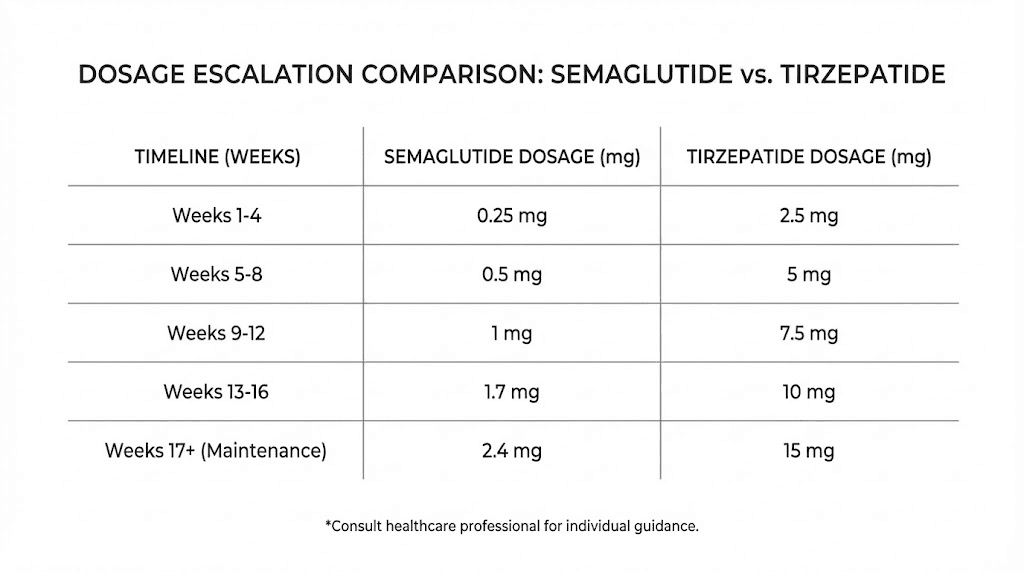
Those with chronic pancreatitis face increased risk of complications, making alternative weight loss strategies more appropriate for their health profile
Latebreaking now at #ADA2019Oral semaglutide versus subcutaneous liraglutide and placebo in type 2 #diabetes (#PIONEER4): a randomised, double-blind, phase 3a trial hubs.ly/H0jdgvr0 Latebreaking now at #ADA2019Oral semaglutide versus subcutaneous liraglutide and placebo in type 2 #diabetes (#PIONEER4): a randomised, double-blind, phase 3a trial hubs.ly/H0jdgvr0

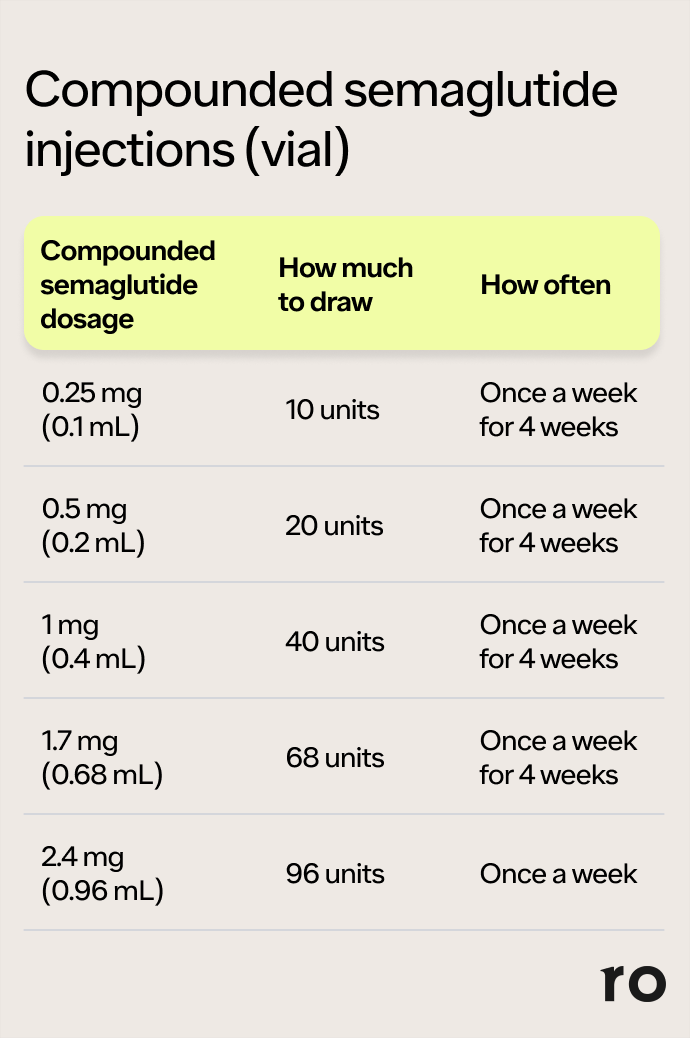

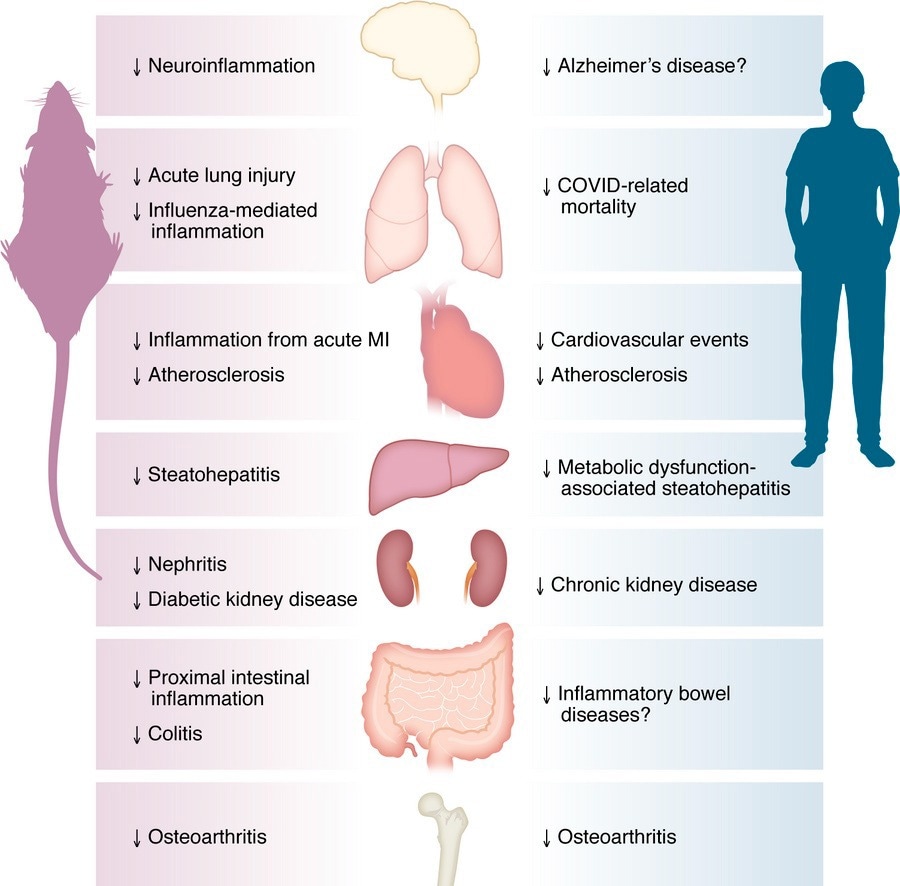
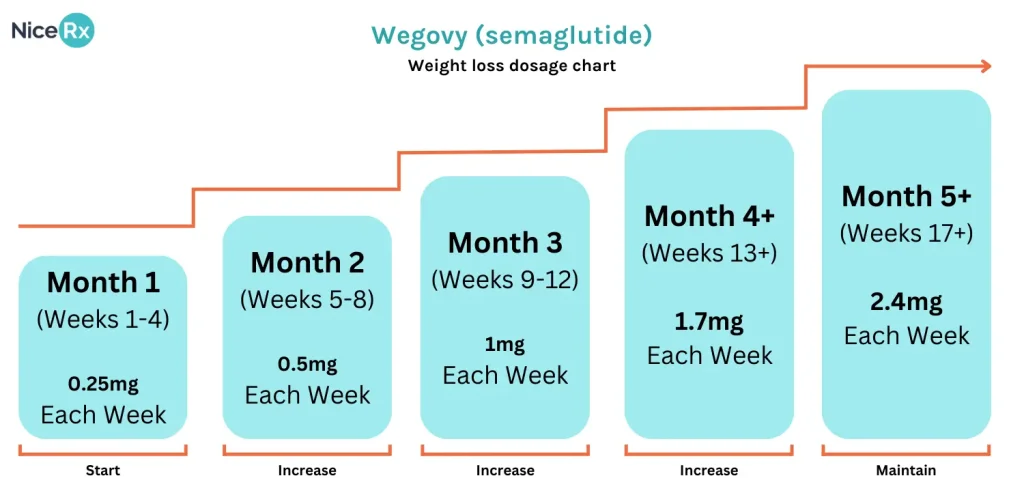











![Spazzole Tergicristallo Compatibile Per Kia Cee’d SportyWagon [ED/FF2] dal 07.2009-12.2012 LMI26774](https://cdn.shopify.com/s/files/1/0849/1175/1433/files/SPAZZOLE-BIBA_1b4db559-b8dc-4de4-83c7-4efaa3dff4f9.jpg?v=1744708504)


